The Best Location to Stay in Seville
A local guide to the best neighborhoods to stay in Seville, Spain. From the historic Centro to bohemian Alameda de Hércules, find the perfect area for your visit.

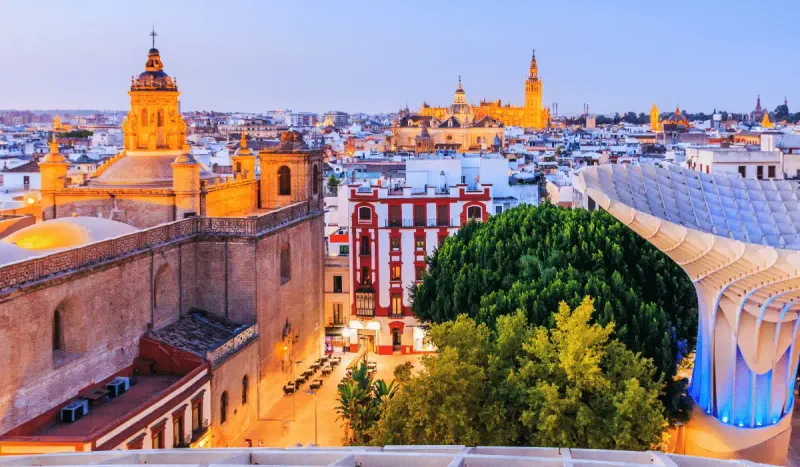
Choosing the right neighborhood in Seville is as important as choosing the right hotel. Where you stay defines how you experience the city — its rhythms, its food, its people. As a lifelong local and guide, I want to walk you through the four best areas, each with its own distinct personality.
Centro (Casco Antiguo)
The Centro, or Casco Antiguo, is one of the largest historic centers in Europe, and the most expansive in all of Spain. This district encompasses nearly four square kilometers of history, culture, and life.
Here you’ll find the Seville Cathedral, La Giralda bell tower, and the Royal Alcázar — collectively designated as a UNESCO World Heritage Site in 1987. The neighborhood features narrow alleyways opening into sun-kissed plazas, with dining options from traditional taverns to modern eateries.
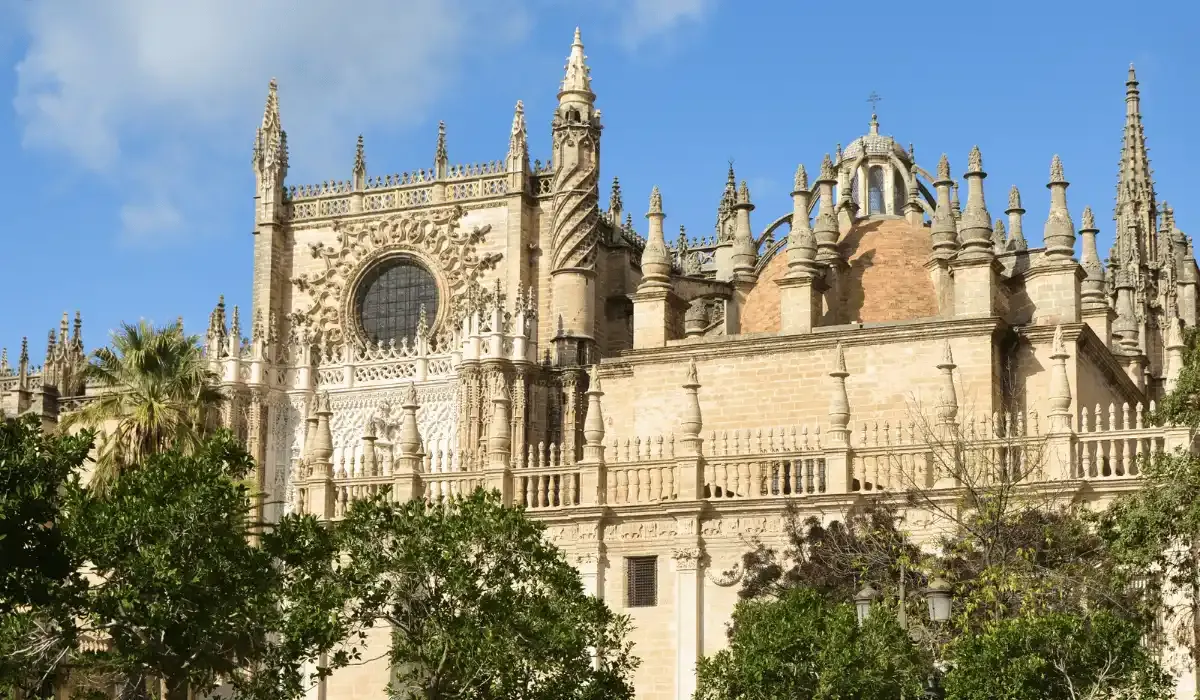
Sub-areas within Centro include Alfalfa, Arenal, Feria, Museo, San Lorenzo, and Santa Catalina — each with its own character and charm.
Barrio Santa Cruz
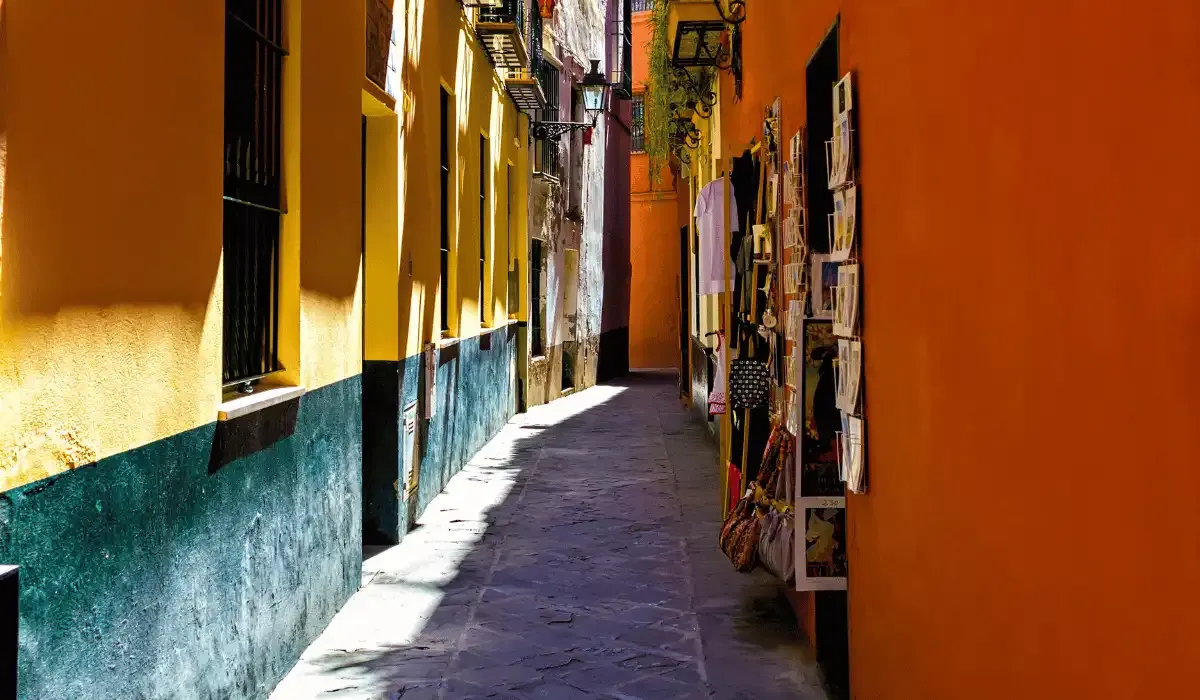
Originally Seville’s Jewish Quarter (Judería) dating to the 12th century, this enchanting district within Casco Antiguo offers narrow, cobblestone streets, whitewashed houses adorned with colorful flowers, and hidden patios brimming with citrus trees.
Notable Plazas
- Plaza Doña Elvira — featuring orange trees and a central fountain
- Plaza Patio de Banderas — offering postcard-perfect views of the Giralda tower
- Puerta del León — the main Alcázar entrance with its sculpted lion
Key Attractions
- Hospital de los Venerables Sacerdotes — a 17th-century Baroque residence
- Iglesia de Santa María la Blanca — a converted synagogue
- Judería de Sevilla Interpretation Centre
Hotels like Hotel Palacio Alcázar and EME Catedral Hotel offer rooftop terraces with panoramic views. Staying near the Alcázar puts you steps from major landmarks with minimal transport needs.
Triana
Located across the Guadalquivir River, connected by the 19th-century Puente de Isabel II (Triana Bridge), this former suburb maintains a fiercely independent identity, rooted in its Roman origins. The neighborhood developed significantly during Moorish rule around a 10th-century castle — later the headquarters of the Spanish Inquisition.
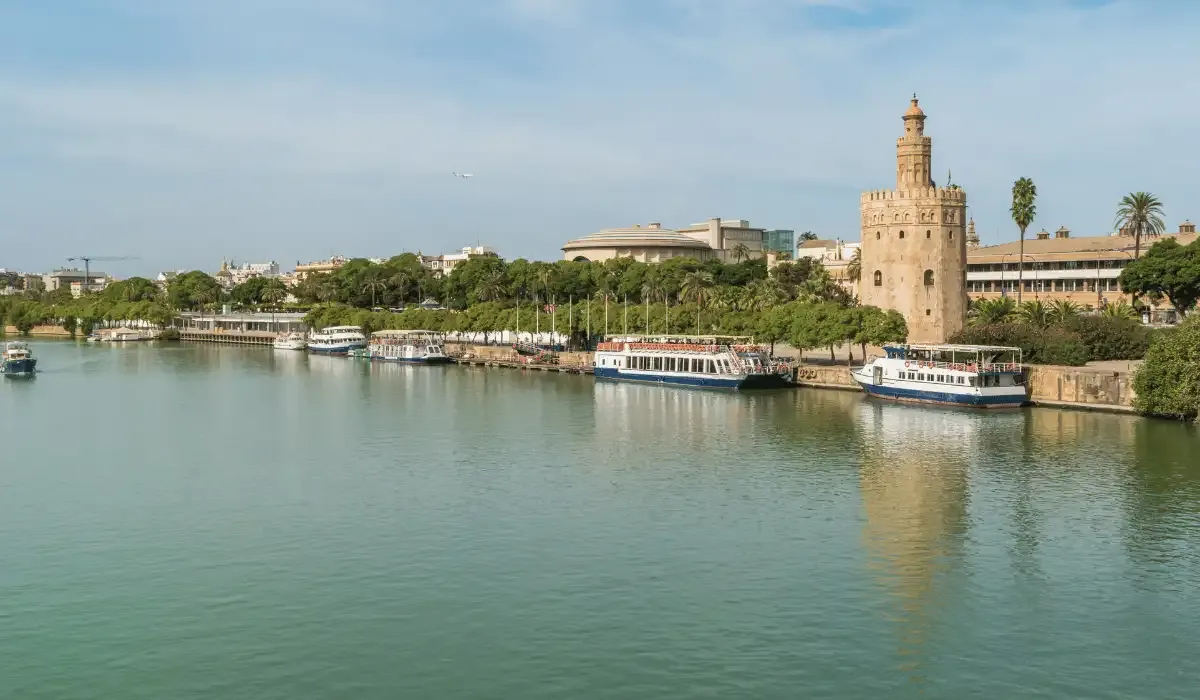
Triana is renowned for its ceramics industry, flamenco traditions, and maritime history, with shipyards that dispatched explorers to the New World.
Mercado de Triana
Located on Calle San Jorge, 6, standing on the medieval Castillo de San Jorge site. The market features over ten dining stalls alongside vendors selling Iberian ham, fresh seafood, spices, and artisan cheeses. You’ll find grilled meat vendors (Alto Brasa), seafood paella (Arrocería Criaito Triana), a small tablao flamenco, and a basement Inquisition Museum with visible castle ruins.
Best Times: Weekday mornings, 10 AM–1 PM, for the authentic local shopping atmosphere.
Calle Betis
This colorful riverside promenade is lined with dozens of tapas bars and restaurants offering postcard-perfect views of the Torre del Oro, the Cathedral, and La Giralda across the river.
Notable Restaurants:
- La Primera del Puente — operating since before the Spanish Civil War
- El Mero at Plaza del Altozano — fried fish specialty
- Abades Triana — contemporary Mediterranean
- María Trifulca — industrial-chic Andalusian cuisine in the historic Faro de Triana building
Ceramics Workshops
- Cerámicas Sevilla Triana — family workshop since 1952, reproducing 15th–18th century tiles
- Cerámica 1920 — offers wheel-throwing and painting courses
- BarroAzul — three-hour tile-painting workshops in a 19th-century kiln
Alameda de Hércules
Located in the northern Casco Antiguo near the Macarena district, this elongated public square dates to 1574, making it one of Europe’s oldest gardens. It is marked by two marble columns with statues of Hercules and Julius Caesar, salvaged from a Roman temple.
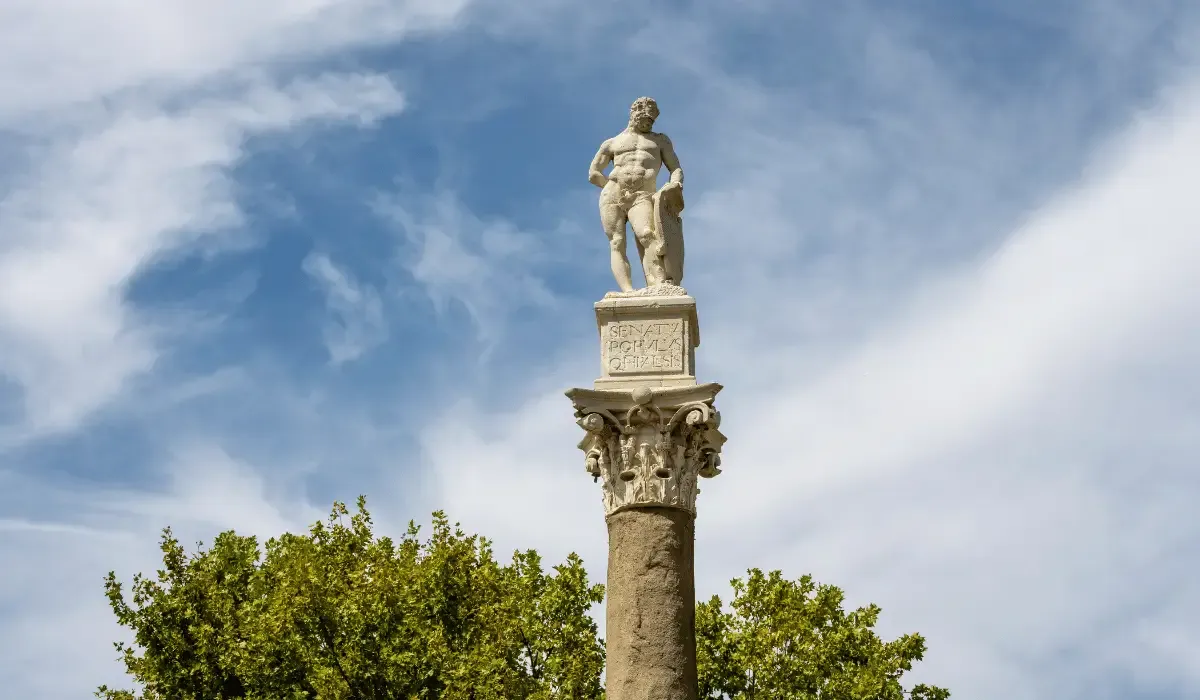
Its working-class history fostered inclusivity for artists, students, LGBTQ+ communities, and immigrants. After the 2008 urban renewal, it transformed into a vibrant cultural hub. Today you’ll find independent boutiques, vintage shops, craft beer bars, vegan restaurants, live music venues, flamenco fusion bars, and indie concert halls — primarily serving local clientele rather than tourists.
The Alameda offers more budget-friendly accommodation and dining with an authentic Sevillian atmosphere and progressive values. It’s further from major monuments but prioritizes cultural immersion.
Practical Advice
Best Seasons to Visit
Spring (March-May): Popular period with beautiful weather, orange blossoms, Semana Santa (Holy Week), and Feria de Abril. Expect crowds and higher prices.
Fall (September-November): Pleasant temperatures with fewer crowds than spring. October is particularly favored by locals and Europeans.
Winter (December-February): Mild temperatures ideal for exploration without heat. January-February is ideal for orange harvest viewing.
Summer (June-August): Extremely hot; many locals vacation at the coast. Embrace the siesta, explore early mornings and late evenings, and enjoy lively bar terraces at night.
Getting Around
Buses: Extensive network with circular C1, C2, C3, C4 lines around the center. Single ticket: €1.40. Rechargeable ‘Tarjeta Multiviaje’: €0.69–€0.76 per trip (€1.50 card deposit, €7 minimum top-up).
Tram (MetroCentro): Single line (T1) through the city center.
Metro: One line connecting the center to residential areas.
Taxis & Ride-Sharing: White cars with a diagonal yellow stripe. Metered fares typically €7–€15 within the center. Uber and Cabify are available.
Walking: The primary exploration method for the historic center. Wear comfortable shoes.
Understanding the Siesta
Shops, businesses, and attractions often close between 2 PM and 5 PM. This cultural pause for lunch and heat avoidance aligns with late dinner customs — 9–10 PM is the typical dinner hour.
Tapas Culture (“El Tapeo”)
- Share plates among your companions
- Order gradually rather than all at once
- Stand at the bar — drinks on sherry casks provide atmosphere and faster service
- Don’t order everything simultaneously
Local Specialties to Try:
- Espinacas con garbanzos (spinach with chickpeas)
- Salmorejo (thick cold tomato soup)
- Montadito de pringá (pulled pork buns)
- Carrillada de cerdo (braised pork cheeks)
- Solomillo al whisky (pork tenderloin in whisky sauce)
- Jamón Ibérico (premium cured ham)
Beverages: Cold beer (“una caña”), local sherry, refreshing tinto de verano (red wine with soda). Avoid sangria unless you want to be identified as a tourist.
Tipping: 5–10% for table service; one or two euros in coins for quick bar drinks.
Hidden Gems Strategy
Venture a few streets away from the main tourist routes for authentic, budget-friendly bars and restaurants. Locations packed with locals typically indicate superior food quality.