What is Seville Famous For? Much More than Food
Seville is a city celebrated for its legendary tapas culture, passionate flamenco, and stunning Moorish-Christian architecture. Discover everything Seville is famous for.

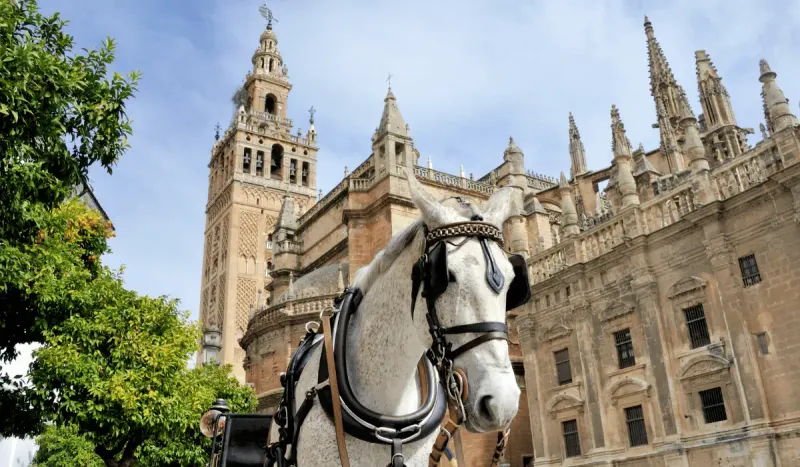
Seville is a city that defies simple description. It’s a place where ancient Moorish palaces stand alongside Gothic cathedrals, where the sound of flamenco fills the night air, and where sharing tapas with friends is not just eating — it’s a way of life. Let me show you everything that makes my city truly famous.
What is Seville Famous For: Quick Answer
Food & Tapas: Jamón Ibérico, Salmorejo, Tapas culture, Pescaíto Frito, Convent sweets
Architecture: Real Alcázar (oldest palace in Europe), Seville Cathedral (world’s largest Gothic), Plaza de España
Culture: Flamenco capital, Semana Santa processions, Feria de Abril
Unique Characteristics: Orange-lined streets, Guadalquivir River, Hottest climate in Europe
What to Eat in Seville: The Food We’re Famous For
Tapas: Seville’s Greatest Contribution to World Cuisine
In Seville, tapas aren’t just food — they’re a social ritual. You move from bar to bar, ordering small plates, sharing with friends, standing at the counter. It’s how we live.
Essential tapas to try:
Jamón Ibérico: Black Iberian pigs feed on acorns, creating nutty, marbled ham that melts on your tongue.
Salmorejo: Cold, creamy tomato soup thicker than gazpacho, topped with egg and jamón.
Espinacas con Garbanzos: Traditional Andalusian spinach and chickpeas with cumin. Simple, flavorful, deeply rooted in our cuisine.
Carrillada de Cerdo: Pork cheeks braised in wine sauce until they melt. Rich, tender, unforgettable.
Seafood: Fresh from the Atlantic
Seville sits near the coast via the Guadalquivir River. Fresh seafood is a major part of what to eat in Seville.
Pescaíto Frito: Lightly battered, fried fish served in paper cones. Crispy outside, tender inside — often eaten standing at the bar.
Gambas al Ajillo: Shrimp sizzling in garlic-infused olive oil.
Boquerones en Vinagre: Marinated white anchovies with garlic and parsley. Tangy, refreshing, addictive.
Traditional Dishes: Hearty Andalusian Cooking
Rabo de Toro: Oxtail stew slow-cooked with red wine. Originally from bullfighting tradition, now a Sevillian classic.
Huevos a la Flamenca: Eggs baked with tomato sauce, chorizo, and vegetables. Hearty and colorful.
Pringá: Slow-cooked meat mixture (pork, chorizo, morcilla) traditionally eaten in a crusty roll.
Sweets: Convent Traditions and Festival Treats
Seville’s desserts are legendary. Dulces de Convento (convent sweets) are made by cloistered nuns using centuries-old recipes.
Torrijas: Spanish French toast soaked in wine or milk, fried and topped with honey. Traditional during Semana Santa.
Piñonate: Crunchy honey and almond treat with spices.
Dulces de Convento: Visit Convento de San Leandro for yemas (candied egg yolks), Santa Paula for empanadillas, Santa Inés for traditional cookies.
Drinks: Refreshing Andalusian Style
Manzanilla: Dry sherry from nearby Sanlúcar. Serve ice cold with seafood.
Tinto de Verano: Red wine mixed with lemon soda. More popular than sangria with locals.
Rebujito: Sherry mixed with lemon-lime soda. The official drink of Feria de Abril.
What is Seville Known For: Architecture
Beyond food, Seville has three UNESCO World Heritage Sites — more than most cities dream of.
Real Alcázar: Europe’s oldest royal palace still in use. Stunning Moorish-Christian architecture with intricate tilework, carved ceilings, and lush gardens.
Seville Cathedral: World’s largest Gothic cathedral. Houses Christopher Columbus’s tomb.
Plaza de España: Magnificent semi-circular plaza built for the 1929 Ibero-American Exposition. Featured in Star Wars.
Metropol Parasol (Las Setas): World’s largest wooden structure. Modern contrast to historic architecture, with a rooftop walkway and city views.
Flamenco: The Soul of Andalusia
Seville is the cultural capital of flamenco. This passionate art form — music, dance, emotion — is deeply embedded in our identity.
Where to experience authentic flamenco: Triana neighborhood (birthplace of legendary flamenco artists), intimate tablaos throughout the city, and spontaneous performances in bars during festivals.
Flamenco isn’t a show for tourists here — it’s our soul expressed through art.
What is Seville Famous For: Festivals
Semana Santa (Holy Week): Solemn religious processions with ornate floats, hooded penitents, and deep tradition.
Feria de Abril (April Fair): A week-long party following Semana Santa. Colorful tents (casetas), flamenco dresses, horses, dancing until dawn, and endless Rebujito.
Seville’s Unique Character
Orange trees everywhere: Over 40,000 bitter orange trees line our streets. In spring, the fragrance is intoxicating.
Guadalquivir River: Historically connected us to the Atlantic, making Seville a major port during the Age of Exploration.
Hot climate: Among Europe’s hottest cities. Summers regularly exceed 40°C (104°F).
Walkable historic center: A maze of narrow alleys perfect for getting lost and discovering hidden plazas.
Complete List: What is Seville Famous For
Food & Drink
- Tapas culture (we invented it)
- Jamón Ibérico
- Salmorejo & Gazpacho
- Pescaíto Frito
- Convent sweets
- Sherry wines
- Olive oil
Architecture
- Real Alcázar (oldest palace in Europe)
- Seville Cathedral (largest Gothic)
- Plaza de España
- Giralda tower
- Metropol Parasol
- Torre del Oro
Culture
- Flamenco capital
- Semana Santa processions
- Feria de Abril
- Triana neighborhood
- Orange-lined streets
Frequently Asked Questions
What is Seville most famous for?
Tapas culture, the Real Alcázar, flamenco, and Semana Santa. Seville combines world-class architecture, passionate culture, and legendary food.
What food is Seville famous for?
Jamón Ibérico, Salmorejo, tapas tradition, Pescaíto Frito, and convent sweets. We claim to have invented tapas.
What is Seville known for culturally?
Flamenco, Semana Santa, Feria de Abril, and tapas social culture. Seville is Andalusia’s cultural capital.
Why is Seville’s Alcázar famous?
It is the oldest royal palace still in use in Europe. A stunning blend of Moorish and Christian architecture with intricate tilework, carved arches, and lush gardens.
What makes Seville different from other Spanish cities?
Authentic tapas culture, extreme heat, passionate flamenco tradition, and Moorish-Christian architecture.
Is Seville the birthplace of tapas?
We claim it, though several Spanish cities compete for the title.
When is the best time to visit Seville?
March-May (spring) or September-November (fall). April offers Semana Santa and Feria. Avoid July-August unless you enjoy 40°C+ heat.